
I've built my whole business around solving the thing I couldn't stand as a kid.
About Me
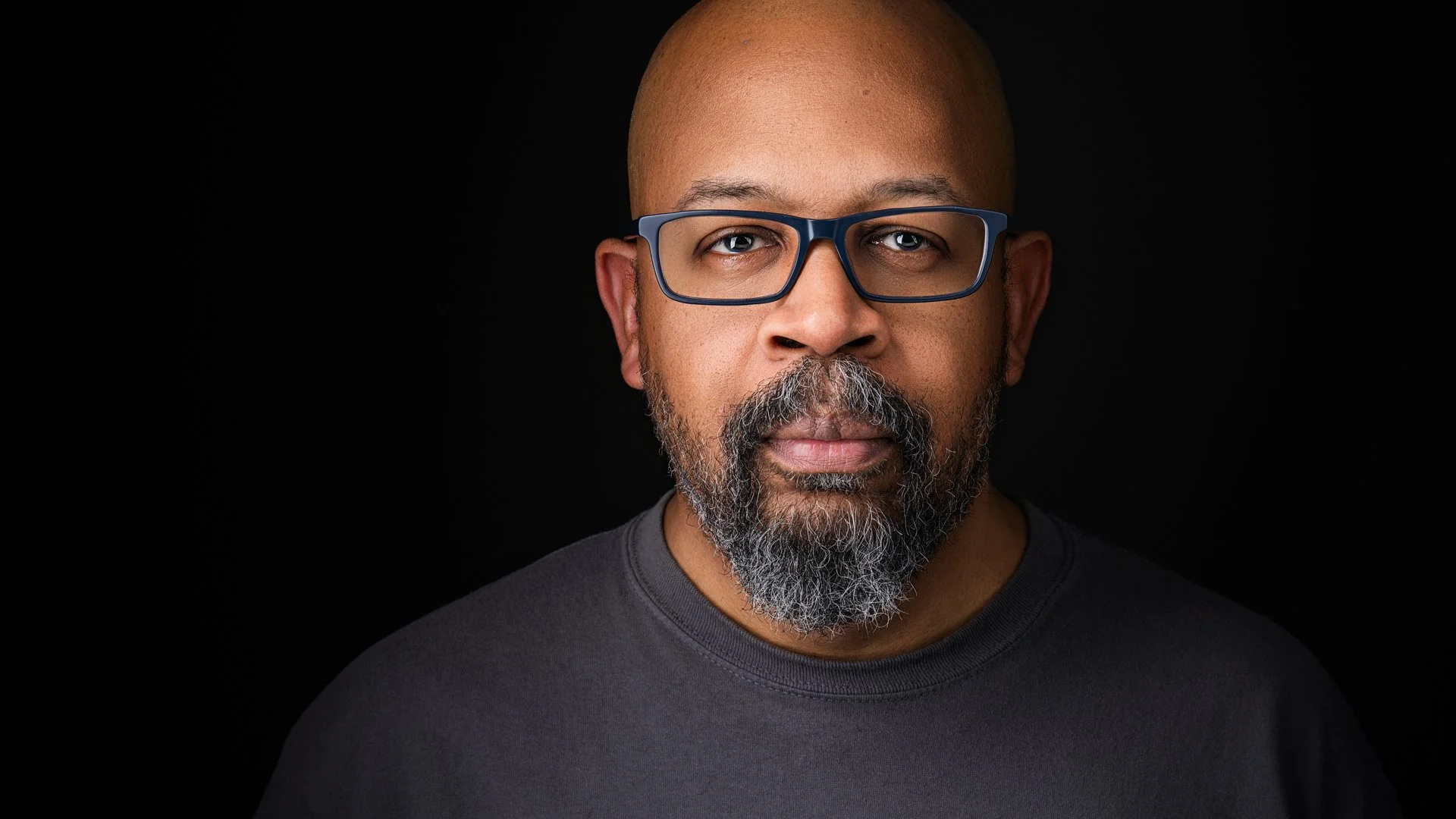
Doug Nottage
Corporate Team Headshot Specialist
As a kid, I was obsessed with photography. Not the gear, not the technical stuff — the magic of it. The idea that you could freeze a single moment and it would still mean something years later. I thought that was about the coolest thing in the world.
There was just one problem: I couldn't stand watching people pose.
The second someone said "everybody say cheese," I'd quietly lose interest. Stiff smiles, locked arms, that frozen half-second where everyone's performing a version of themselves that doesn't actually exist — none of it felt real to me. The photos I loved were the ones nobody planned: someone mid-laugh, caught off guard, doing something unmistakably themselves. Those were the moments worth keeping. The posed ones felt like a missed opportunity.
The irony isn't lost on me. The kid who couldn't stand posed photos grew up to build a business around them. But it turns out that frustration wasn't a contradiction. It was the beginning of everything.
The Job That Changed Everything
Years later, I landed a job as an in-house photographer for a Philadelphia-based nonprofit. It sounded straightforward enough — take photos of staff, leadership, donors, events. In practice, it was one of the best educations I could have asked for.
I wasn't photographing models or actors. I was photographing busy executives squeezing me into a fifteen-minute gap between meetings. Board members who hadn't updated their headshot since a previous job. Staff members who would tell me, almost apologetically, "I'm really not photogenic" — usually right before turning out to be perfectly photogenic, once they relaxed.

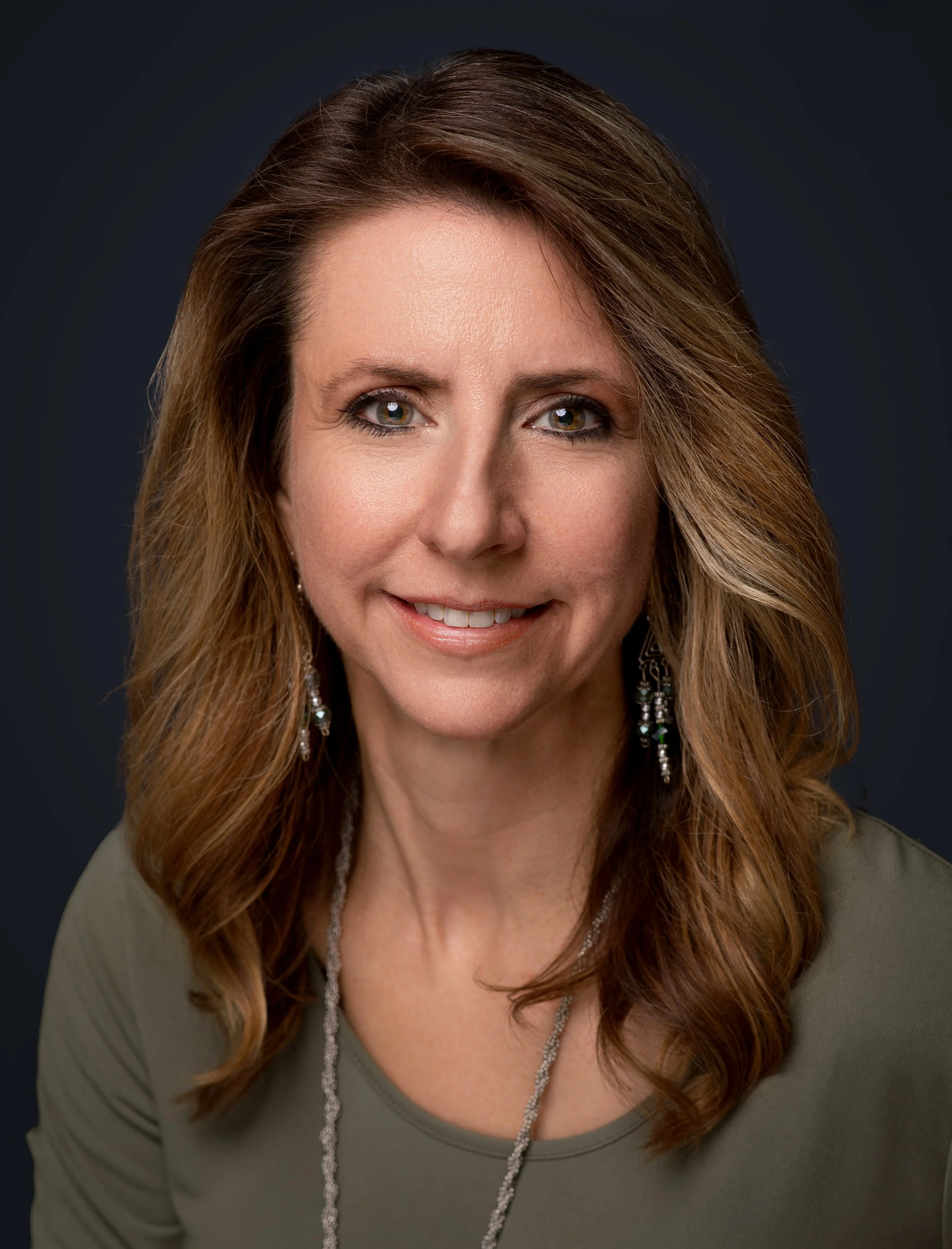
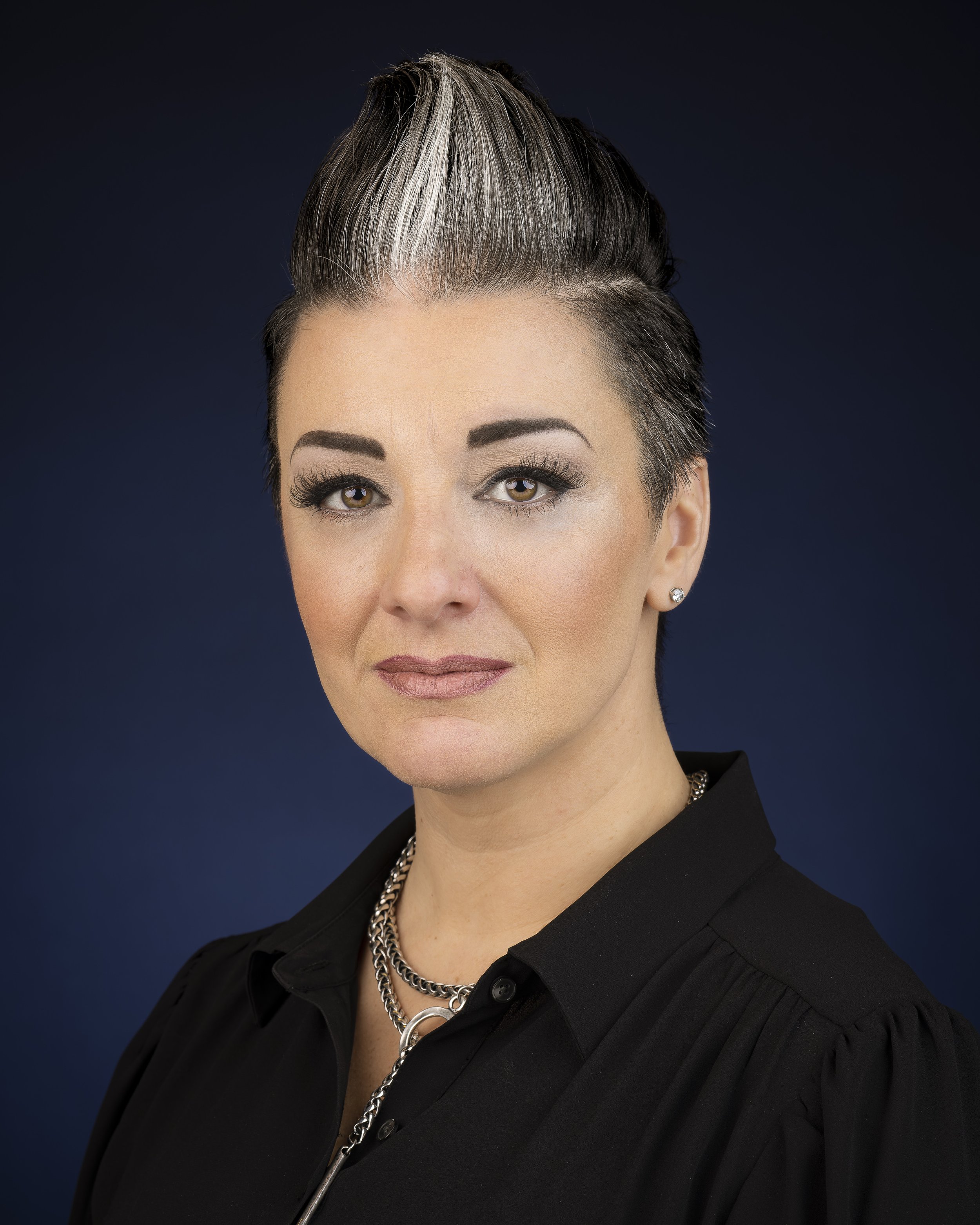
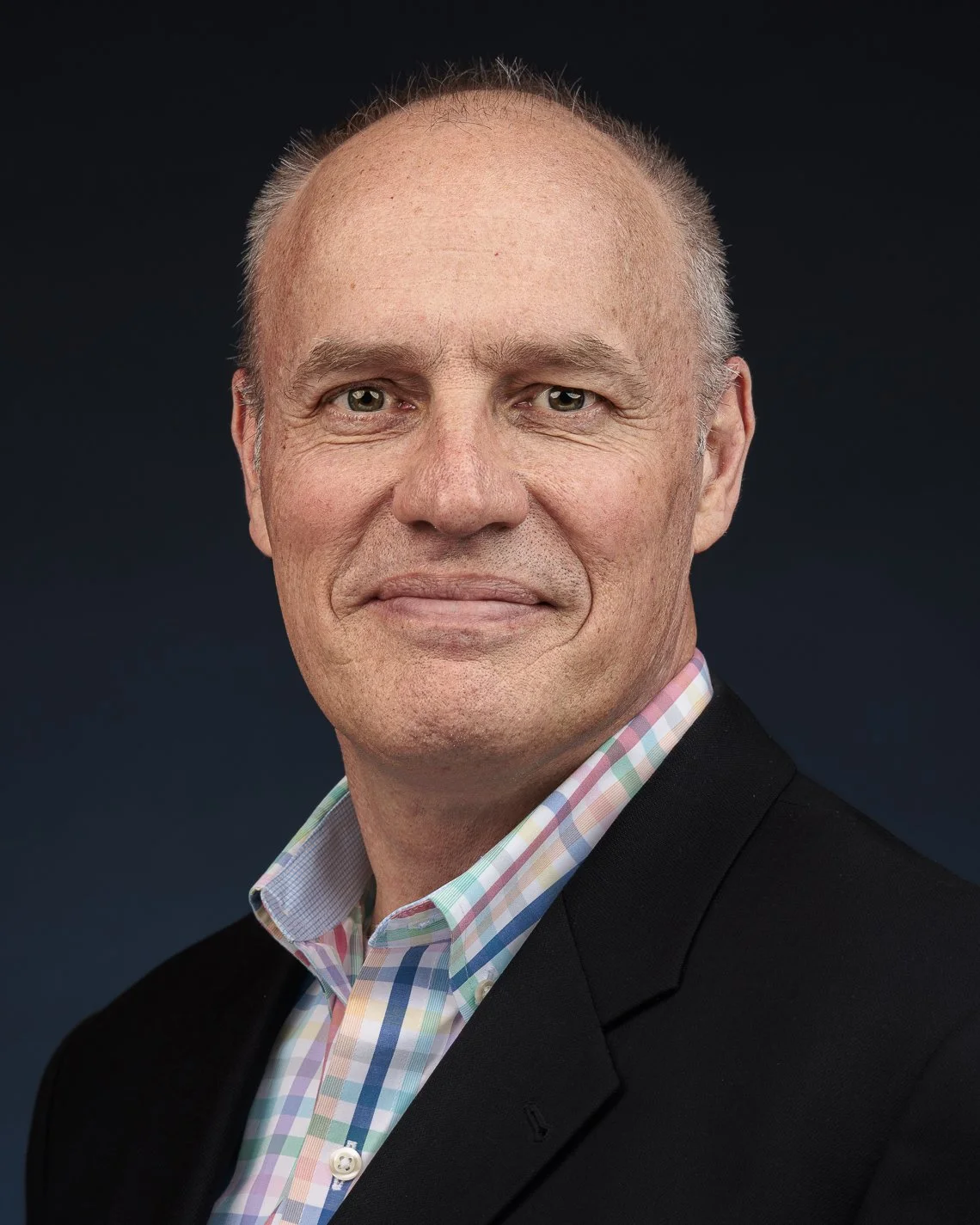
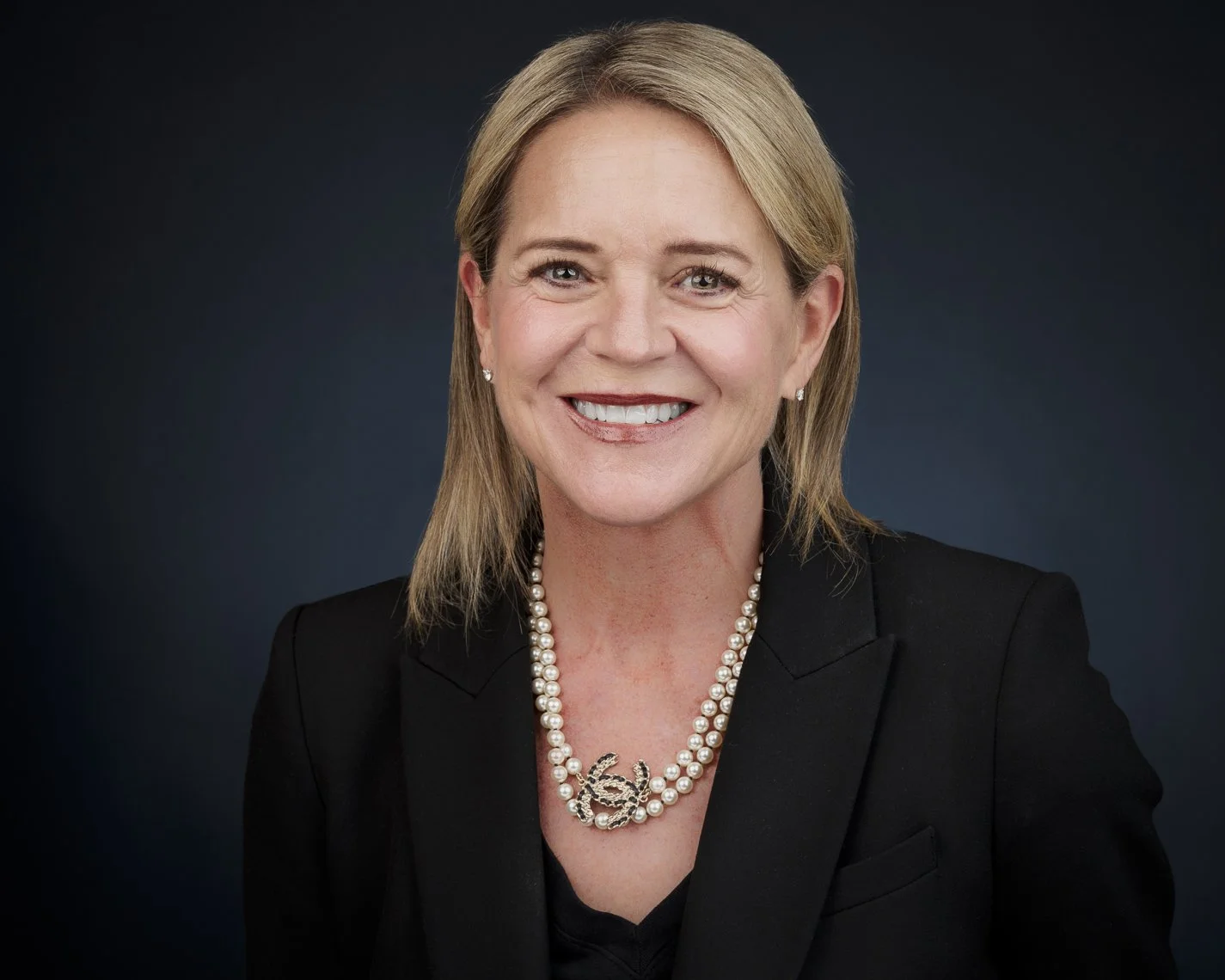
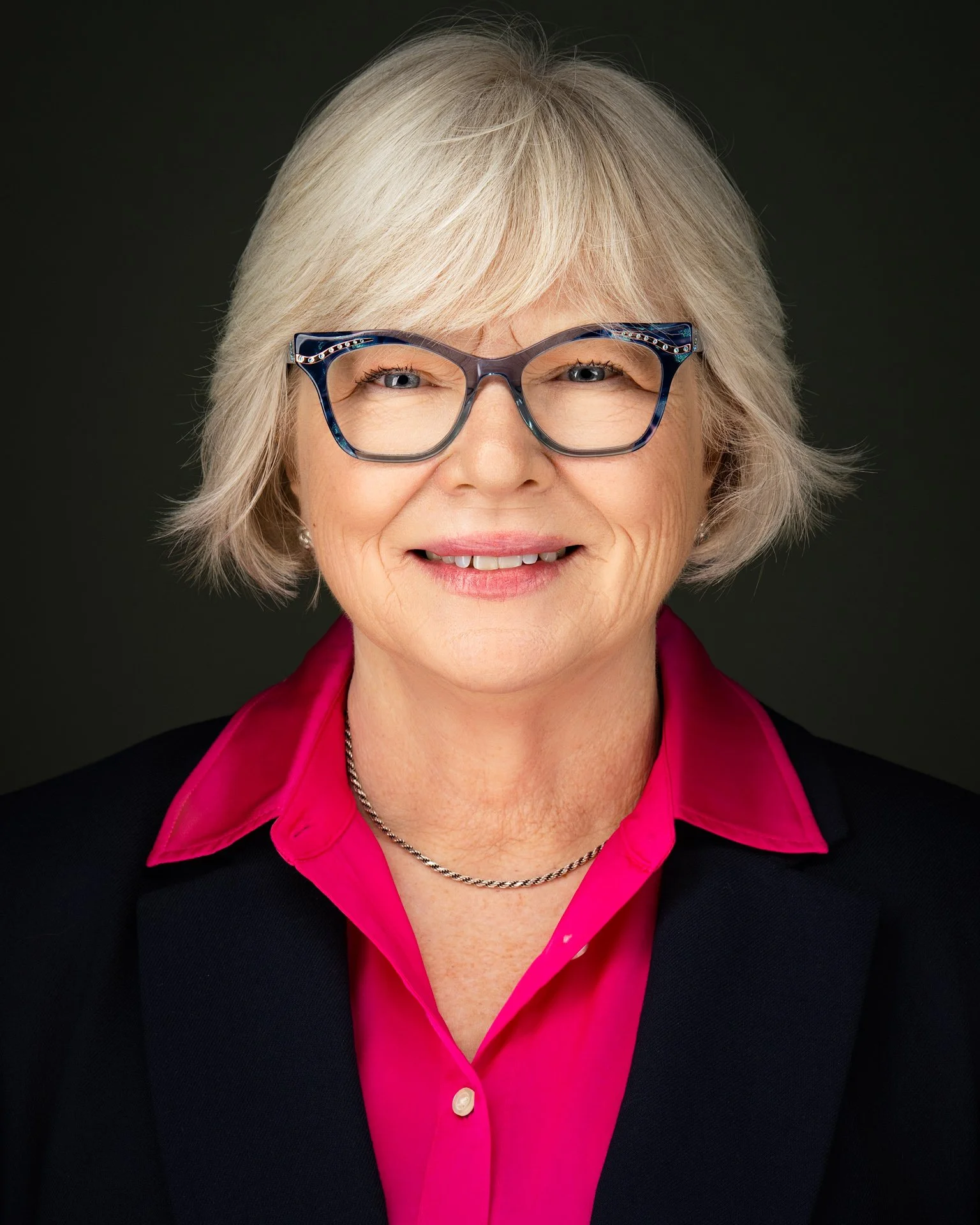
These photos were taken during my years as an in-house photographer for a Philadelphia nonprofit. That job changed the way I think about photography. It taught me that the best images happen when people feel seen, respected, and comfortable enough to stop performing. The camera just records what happens next.
That role taught me things no class on lighting ever could:
Most people are uncomfortable in front of a camera. Not because something's wrong with them — it's just a strange, unnatural thing to stand still and be looked at.
Technical skill matters, but it's not the whole story. You can know everything about lighting ratios and still get a stiff, forgettable photo if the person in front of your lens feels awkward.
Time is real money for the people I photograph. An executive's calendar doesn't have room for a disorganized session that runs long.
The best headshots happen when someone forgets they're being photographed for just a second — which is a strange echo of the candid moments I loved as a kid, just with better lighting and a little more intention behind it.
That last point became something of an obsession. I started studying the actual psychology behind a great headshot: what makes someone read as confident instead of stiff, approachable instead of guarded, authentic instead of performative. It turns out a lot of it comes down to how safe and respected someone feels in the moment the shutter clicks — not just where the light is coming from.
That obsession eventually became studio428.
My Philosophy on Headshots
A headshot isn't really about the photo. It's about the thirty seconds before the photo, when someone decides whether they trust you enough to drop their guard.
My job is to earn that trust quickly, because most of my clients don't have time to waste and didn't sign up for a "creative experience" — they signed up to look like the capable, credible professional they already are.
So my approach is built around a few simple ideas:
Comfort comes first. Good posing and direction aren't about forcing a look — they're about giving someone enough guidance that they stop worrying about what to do with their hands.
Authenticity beats perfection. I'm not trying to manufacture a personality that isn't there. I'm trying to get out of the way so the one that is there can come through.
Efficiency is respect. Showing up organized, moving at a good pace, and not wasting anyone's time isn't just good business — it's a sign of respect for people who have real jobs to get back to.
The fundamentals matter. Lighting, posing, and timing are skills, not luck. I've spent years refining them so the technical side is never something you have to think about.
Why Clients Work with studio428
Most of the people I photograph aren't looking for an "artistic experience." They're looking for someone who will show up on time, make the process painless, and hand them a photo they're actually proud to put on LinkedIn, a website, or an annual report.
Clients tend to come back — and refer their colleagues — for a few consistent reasons:
I work fast without making it feel rushed. Whether it's one executive or an entire leadership team, sessions are organized and efficient, because I know your day doesn't revolve around me.
I know how to work with people who hate having their picture taken. That's not a knock — it's most people, and I happen to have a lot of practice putting them at ease.
I understand organizational photography, not just portraits. Team photos, leadership headshots, donor-facing imagery — I know these aren't just photos, they're part of how your organization presents itself to the world.
Consistency, every time. When you're photographing a whole team, you need every headshot to feel like it belongs in the same set — same lighting quality, same tone, same level of polish — not like ten different photographers had ten different days.
At the end of it, my goal isn't to make you look like someone else. It's to make sure the photo finally looks like the version of you that your colleagues, clients, and donors already know.
Your People are Your Brand.
Flaunt your people.
Every organization is really just a collection of people — and most of those people are undersold by their current headshot. That's the gap I exist to close.
If you're updating an executive's headshot, photographing a leadership team, or finally giving your whole staff a consistent, professional look, I'd love to talk about what that could look like.
Get in touch to schedule your session →